




Filter
129 products
Cat supplies
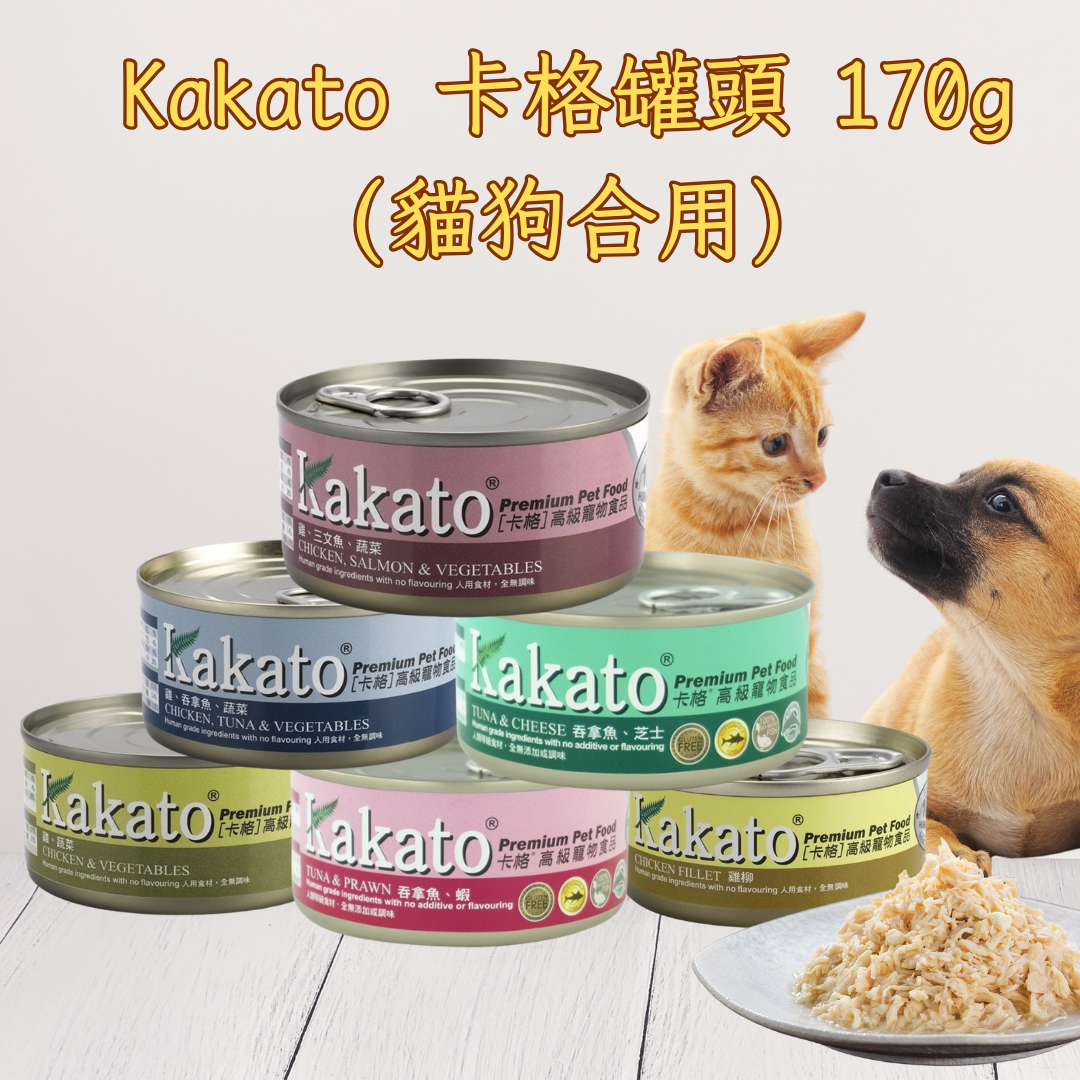
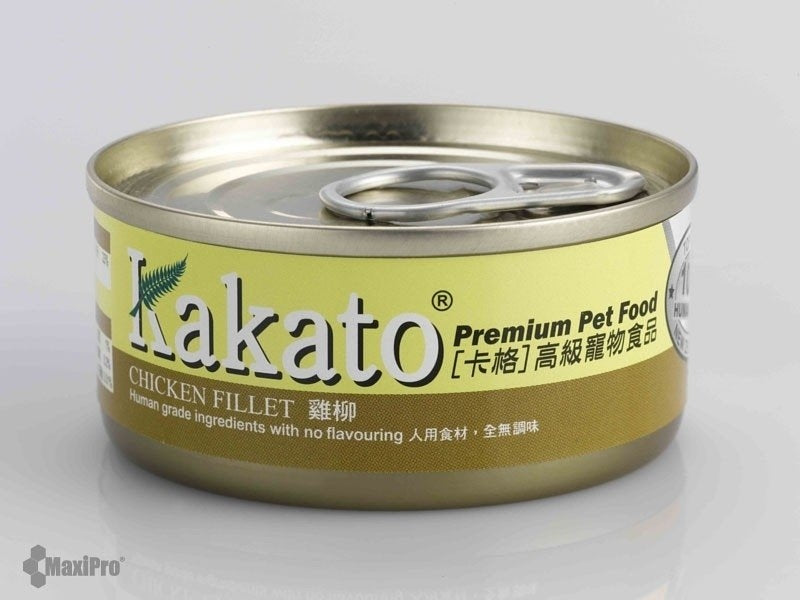
Kakato 170g Canned Food (For Cats and Dogs)
Regular price HK$21.00 Sale price HK$21.00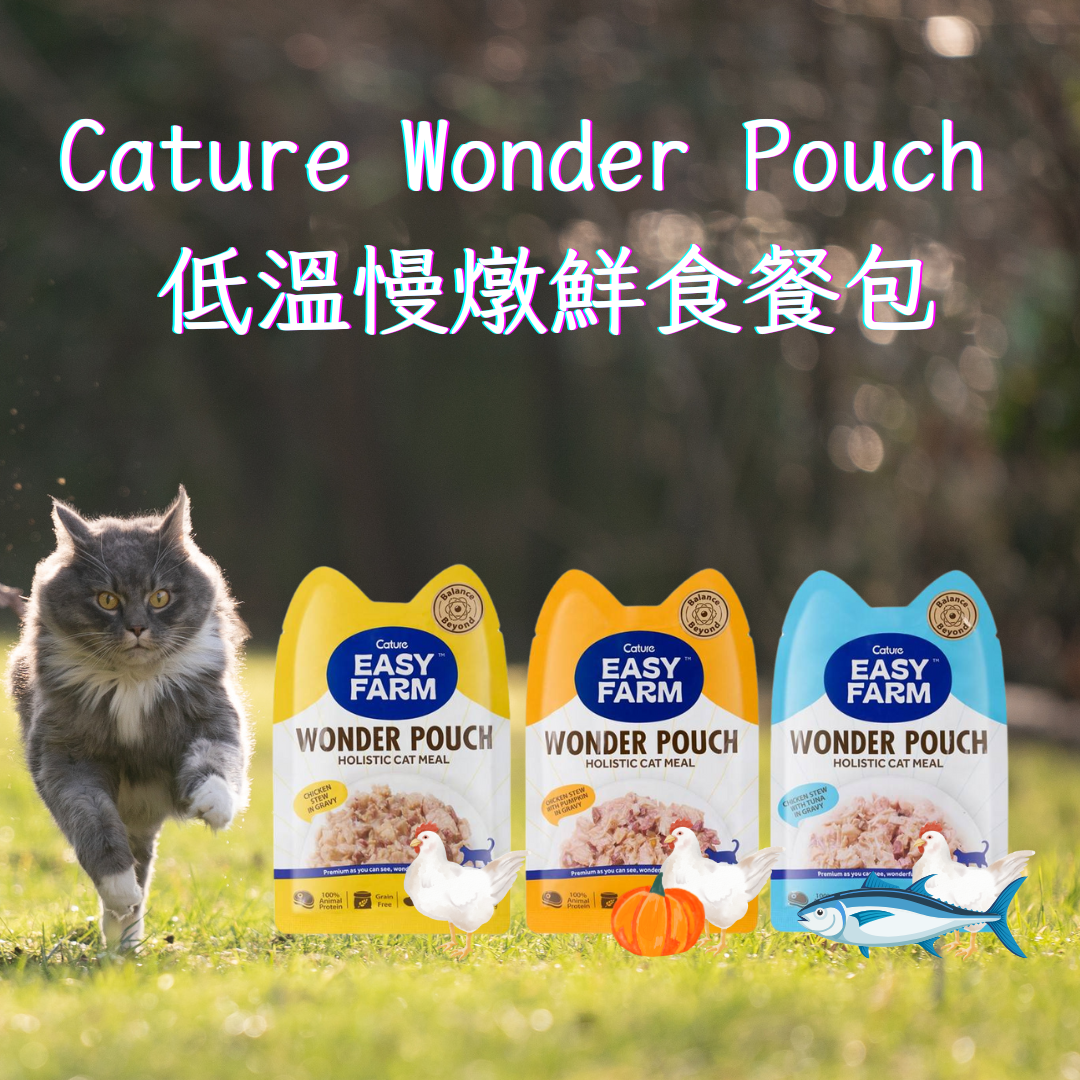
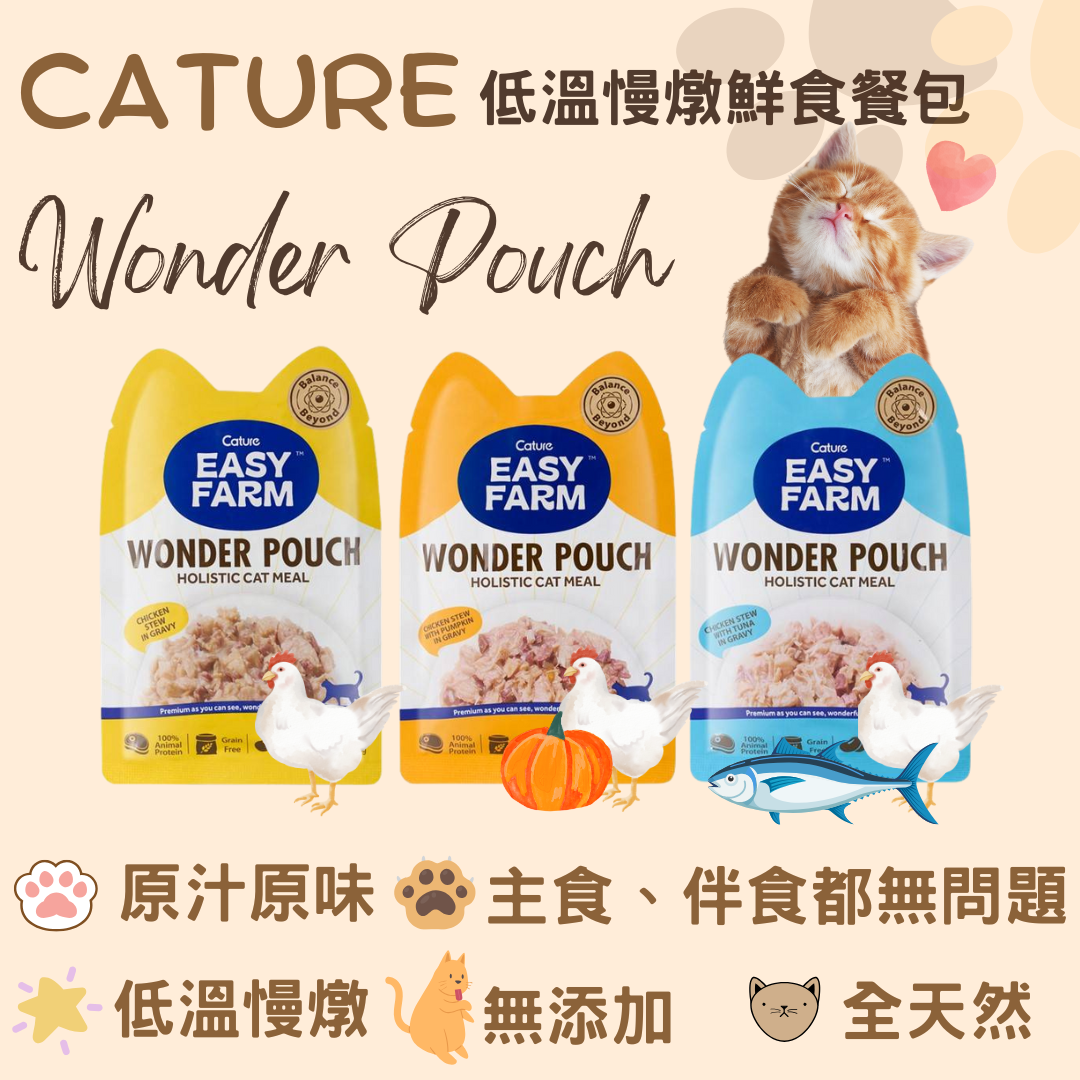
Cature Wonder Pouch Slow Cooker Meal Pouch for Cats 85g
Regular price HK$12.00 Sale price HK$12.00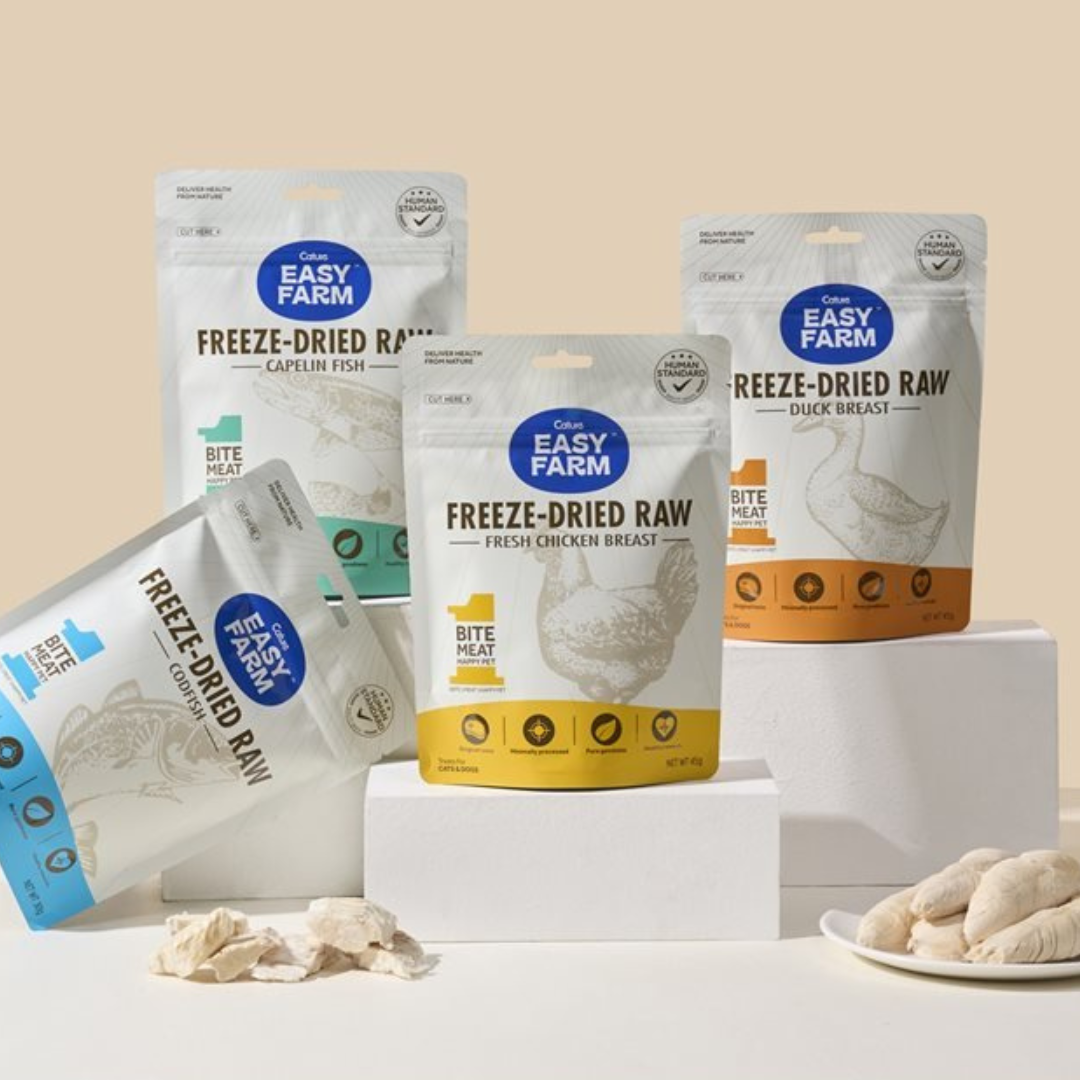
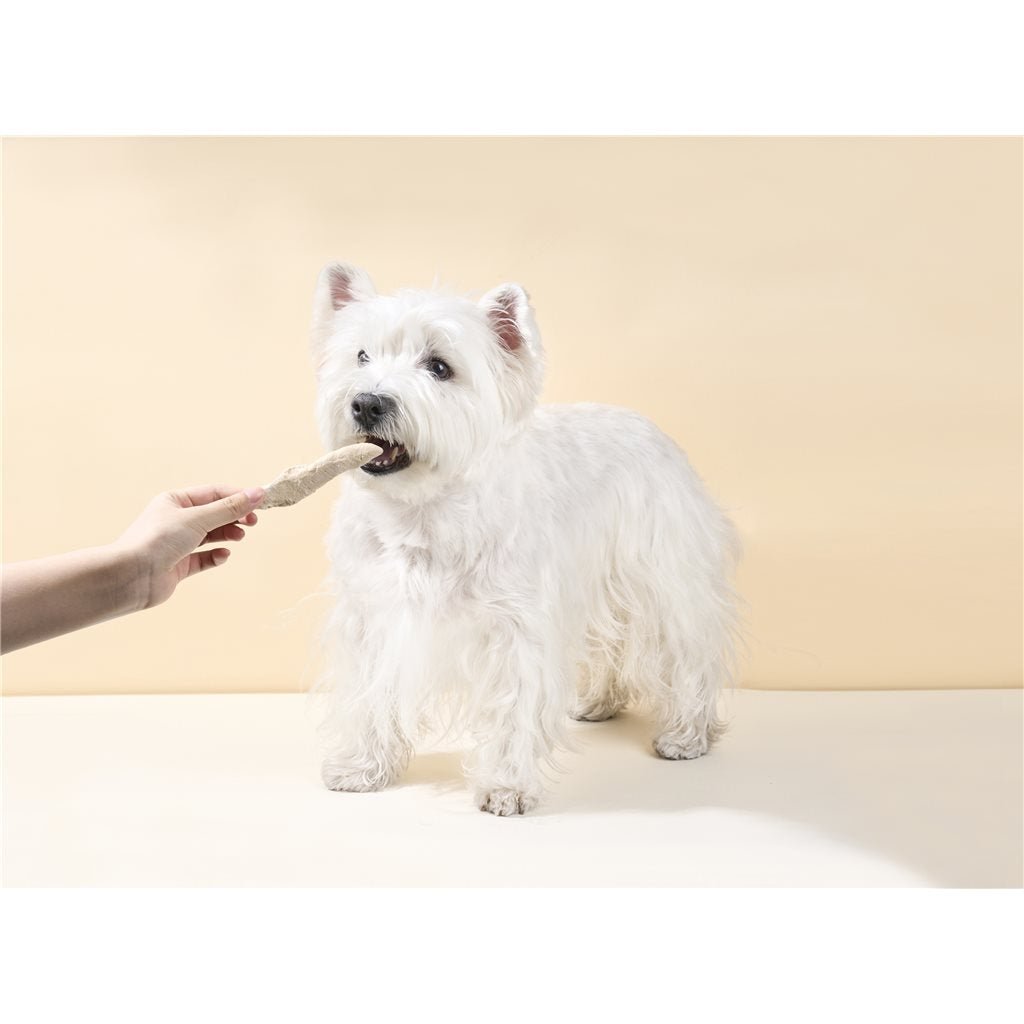
Cature Easy Farm Freeze-dried Snacks 45g
Regular price From HK$40.00 Sale price From HK$40.00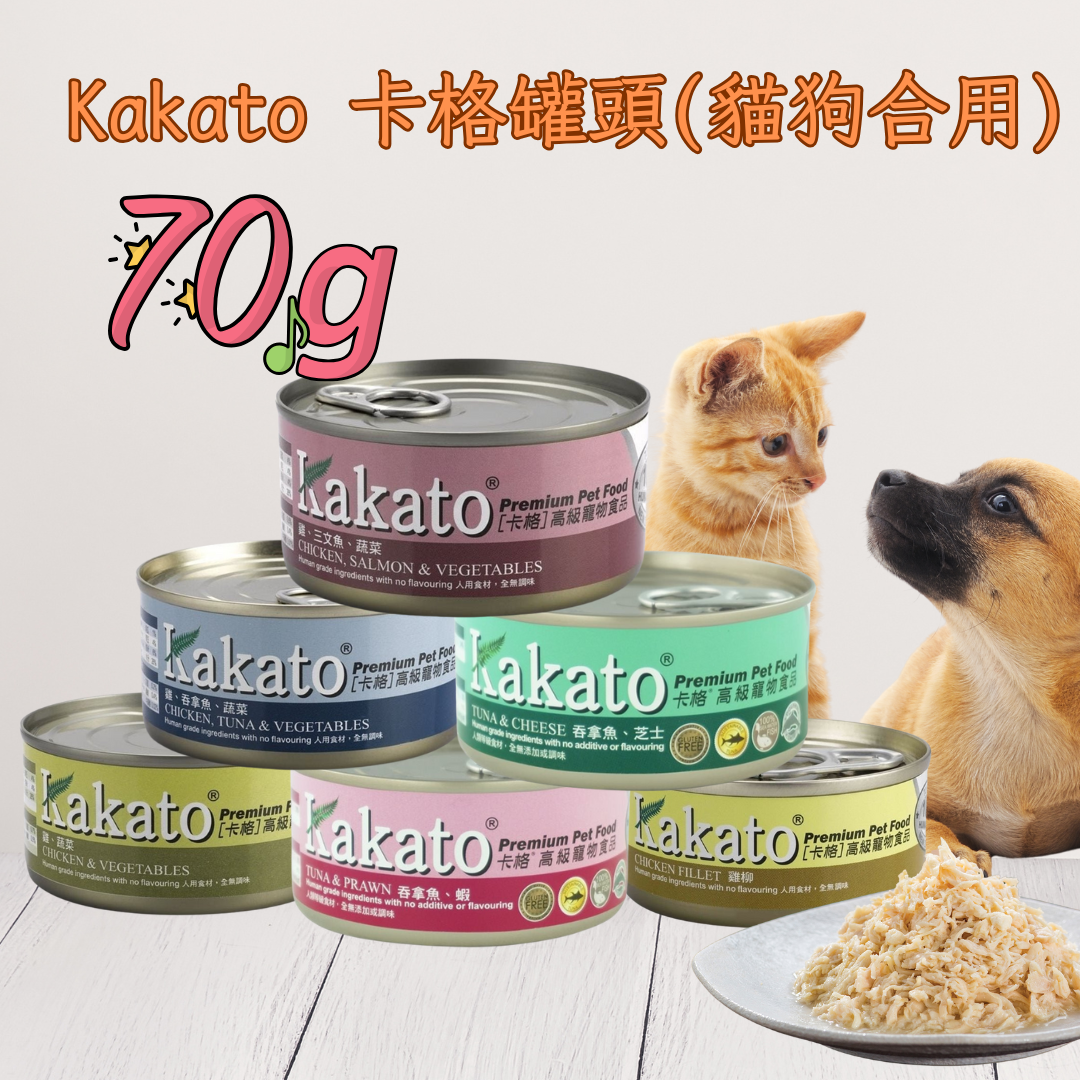
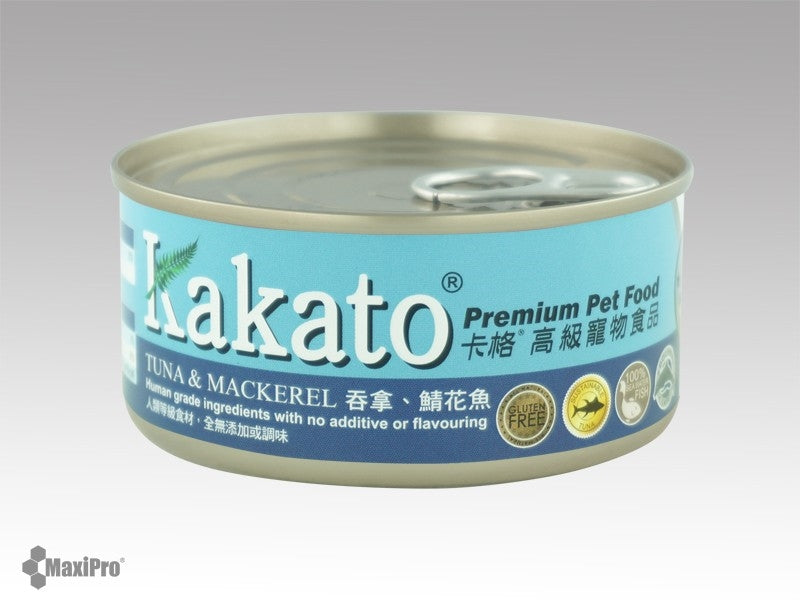
Kakato 70g Canned Food (For Cats and Dogs)
Regular price HK$14.00 Sale price HK$14.00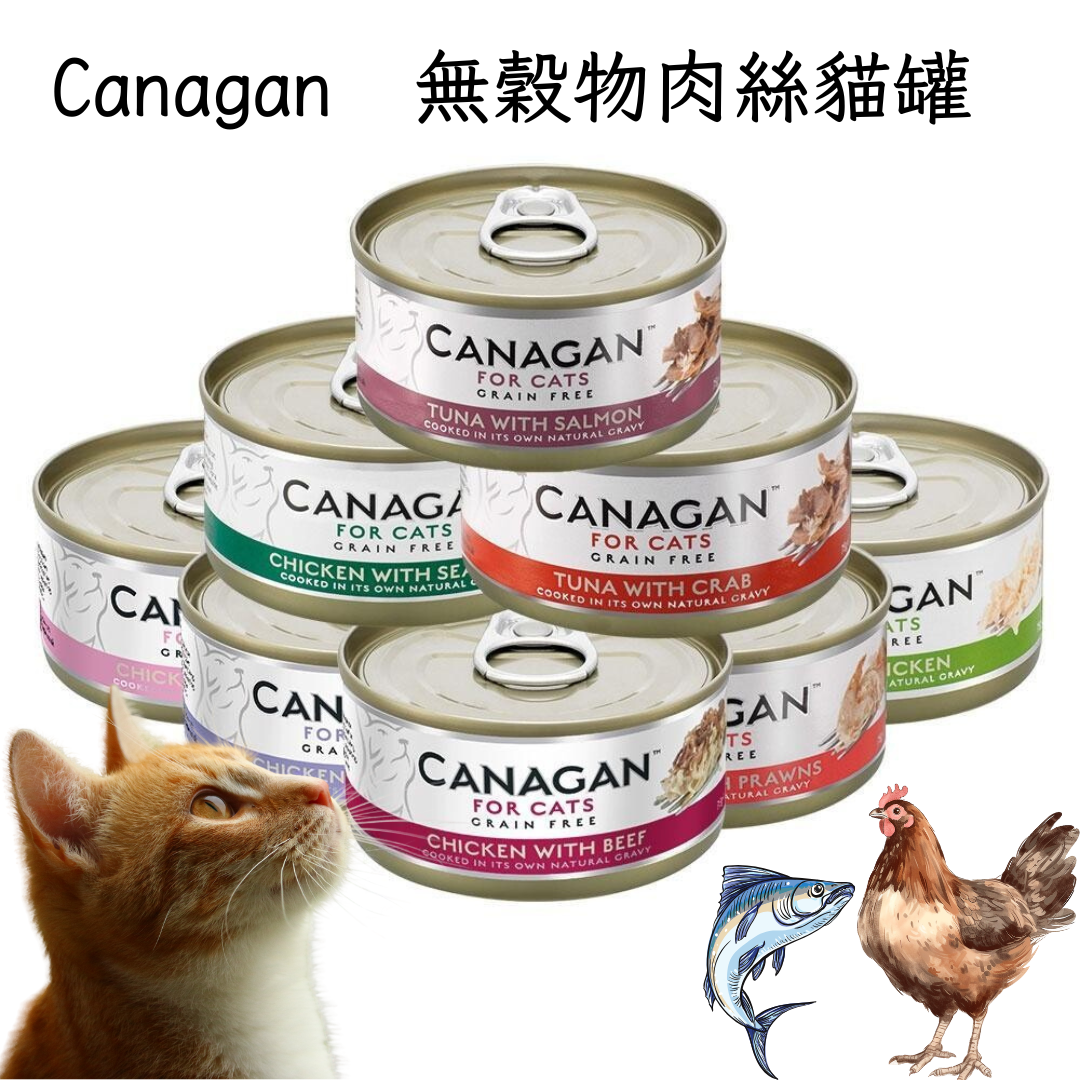
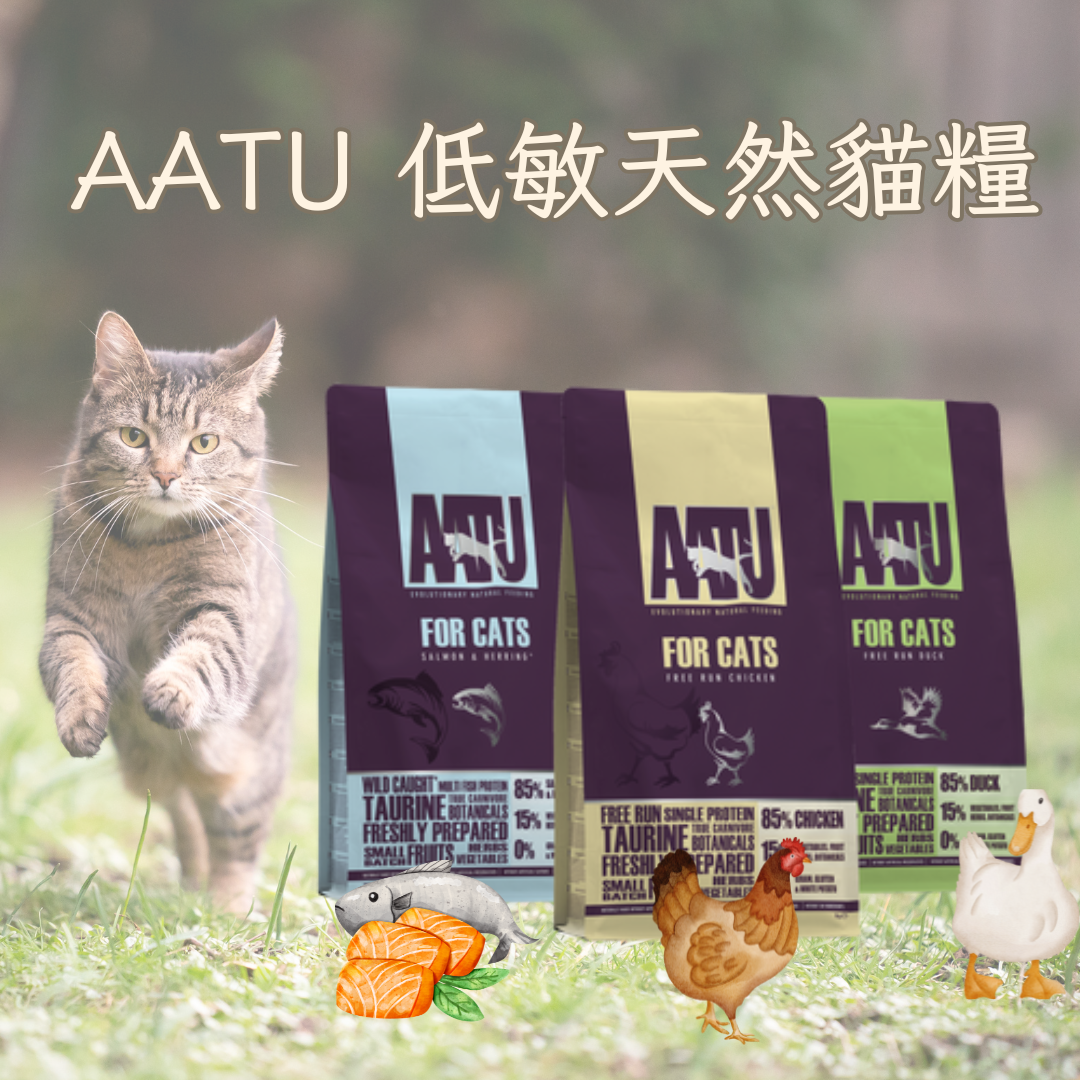
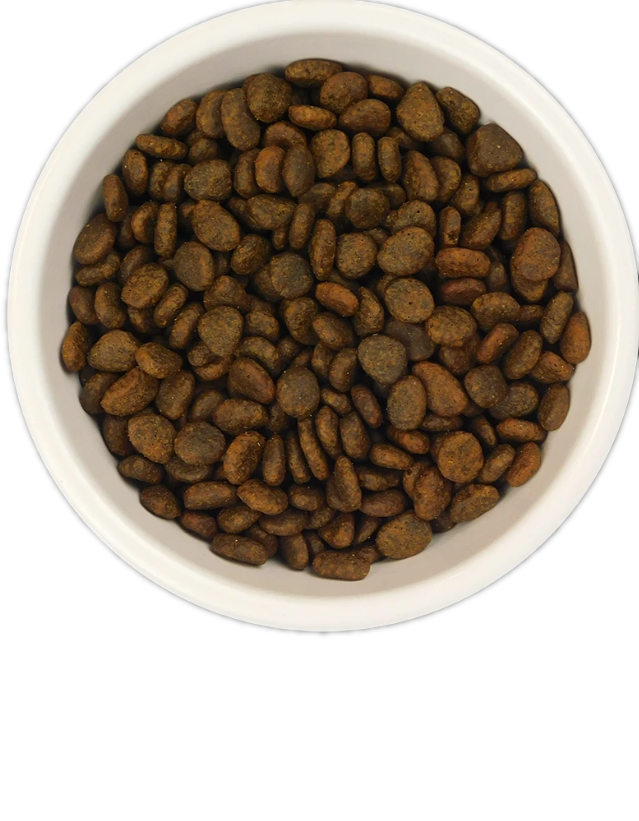
AATU Hypoallergenic Natural Cat Food
Regular price From HK$189.00 Sale price From HK$189.00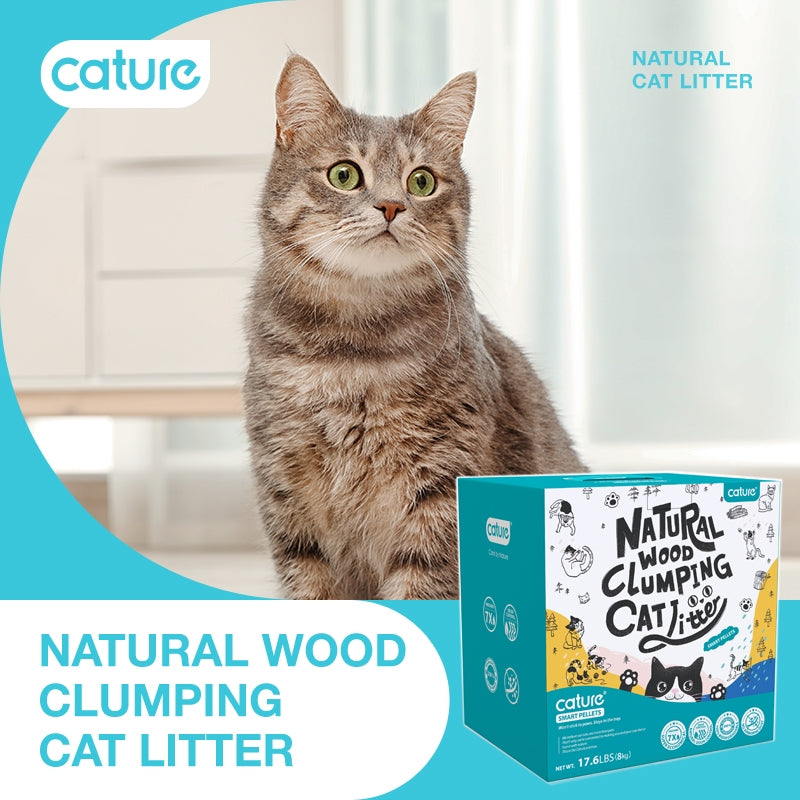
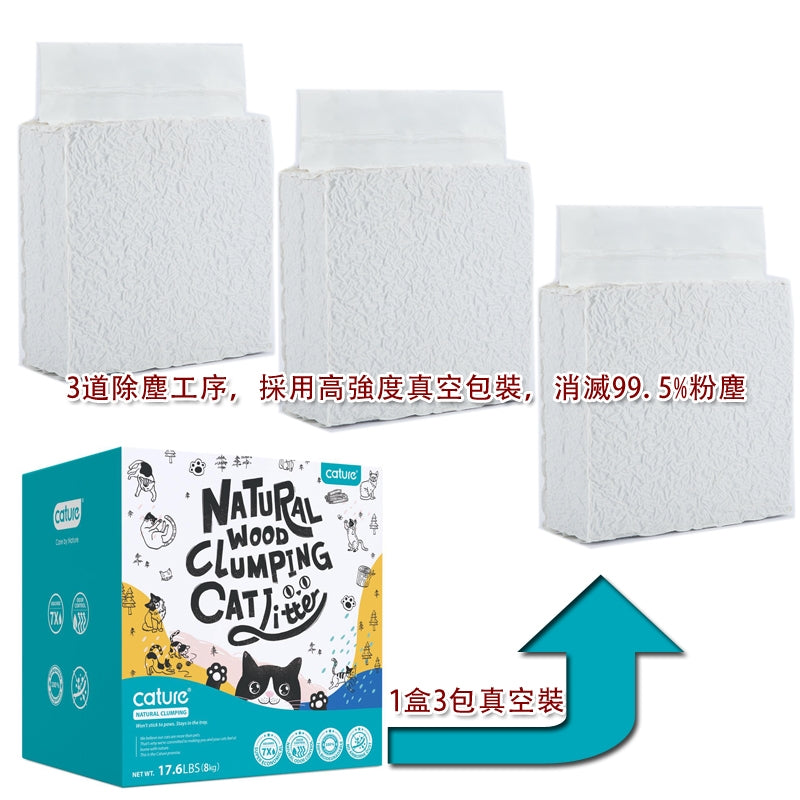
Pre-order (arriving mid-to-late March) Cature Smart Pellet European Wood (Cleansing) Cat Litter 20L (17.6lb) (Green)
Regular price HK$175.00 Sale price HK$175.00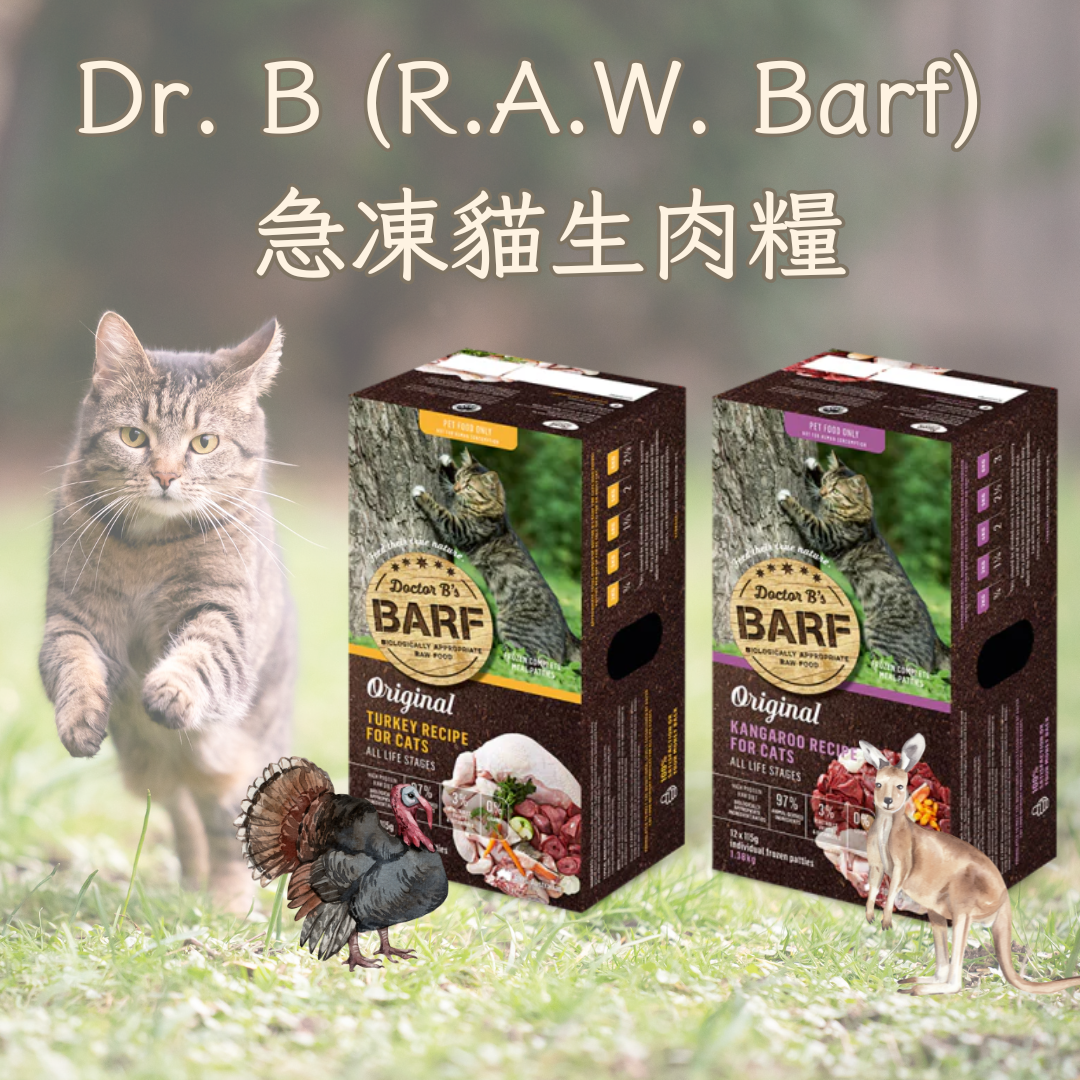
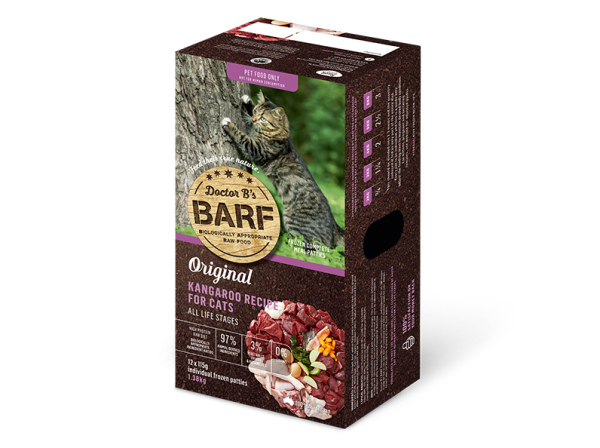
Dr. B (RAW Barf) Frozen Raw Meat Cat Food
Regular price From HK$258.00 Sale price From HK$258.00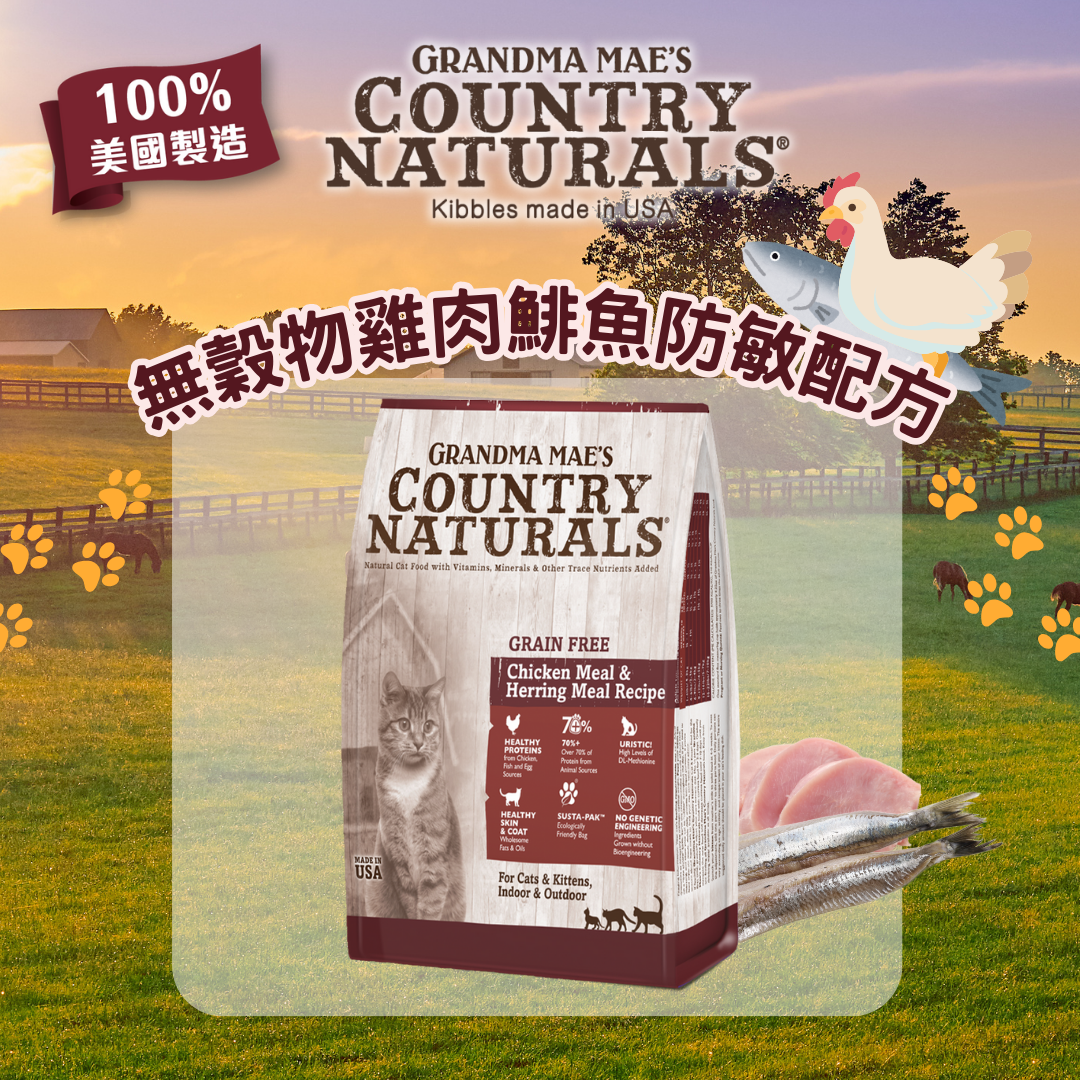
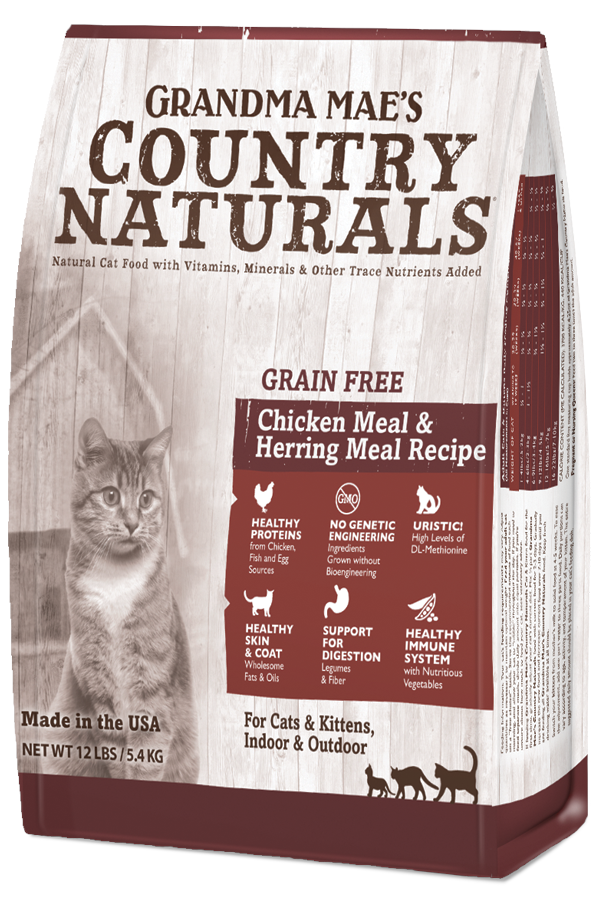
Country Naturals Grain-Free Hypoallergenic Complete Cat Food
Regular price From HK$185.00 Sale price From HK$185.00
Key indicators for identifying high-quality natural cat food
| Cat food types | Main ingredients | Nutritional retention | Digestibility | Suitable for |
|---|---|---|---|---|
| Dry food | Fresh meat, vegetables, and a small amount of grains | medium | 80-85% | Normal cats |
| Grain-free dry food | Fresh meat, peas, potatoes | medium | 82-88% | Sensitive cat |
| freeze-dried | Raw meat and offal | Highest (95%+) | 90-95% | Picky cat, recovering from illness |
| air dry | Raw meat drying, offal | Highest (90%+) | 90-95% | Picky cat, recovering from illness |
| wet food | Fresh meat, offal, natural collagen | High (80%+) | 85-92% | Old cat, cat with kidney disease |
| Raw meat grain | Fresh raw meat, bones, and offal | Highest | 95%+ | healthy adult cat |
Common Questions about Choosing Cat Food
Suitable. Grain-free natural cat food is gentle on kittens whose digestive systems are not yet fully developed, as well as on older cats whose absorption capacity has decreased. It is recommended to choose a "kitten formula" for kittens to obtain sufficient protein and fat, and a "low-phosphorus, easily digestible" formula for older cats to protect kidney function. Grain-free formulas avoid common allergenic grains (such as corn and wheat), helping to reduce gastrointestinal discomfort. Kittens should ideally choose formulas with more than 36% protein, while older cats need formulas with 28-32% protein.
The biggest difference lies in the quality of ingredients and nutrient density. Natural cat food uses human-grade ingredients, with clearly identified protein sources (such as "chicken" rather than "meat meal"), no chemical preservatives, and a digestibility rate of 88-95%. Commercial cat food, in order to reduce costs, often uses meat meal, grain fillers, and chemical preservatives, resulting in a digestibility rate of only 75-80%. This leads to less stool output in natural cat food and better overall health for cats. The protein source in natural cat food is transparent, with each ingredient clearly labeled, while the source of "meat meal" or "meat and bone meal" in commercial cat food is unclear, making its quality difficult to guarantee.
Suitable, but formula selection is crucial. Choose products that are low in phosphorus (≤ 0.6%), low in protein (24-28%), and contain sufficient moisture. Wet food, freeze-dried, or air-dried products are recommended, as their 10-30% moisture content helps increase urine output and reduce the burden on the kidneys in cats with kidney disease. Regular blood tests are essential to monitor kidney function indicators (serum creatinine, blood urea nitrogen). Work with your veterinarian to select the most suitable formula for your cat and have regular checkups to assess their health.
It is recommended to gradually transition the cat to new food over four weeks. Week 1: 25% new food + 75% old food; Week 2: 50% new food + 50% old food; Week 3: 75% new food + 25% old food; Week 4: 100% new food. During the transition, closely observe the cat's stool consistency, mental state, and appetite. If severe digestive problems occur (soft stools lasting more than 3 days), the transition period should be extended to 6-8 weeks. Ensure each phase lasts at least 3-5 days to allow the cat's digestive system to gradually adapt to the new food.
All our natural cat food products are certified by the following international organizations: AAFCO (American Association of Feed Officials) to ensure nutritional integrity and balance; FEDIAF (Federation of the European Pet Food Industry) to ensure compliance with European standards; and Hong Kong import regulations. Furthermore, each batch undergoes third-party laboratory testing to ensure the absence of harmful substances (such as aflatoxin, heavy metals, and pesticide residues) and to verify the accuracy of the nutrition label. Forever Pets partners with top global brands to ensure that every product meets the highest quality standards.
According to the latest veterinary research, there is no established causal relationship between grain-free natural cat food and feline heart disease. The American Veterinary Medical Association (AVMA) states that feline heart disease is primarily caused by genetic factors, taurine deficiency, or underlying medical conditions. Forever Pets' grain-free formula contains sufficient taurine (an essential amino acid for cats), far exceeding AAFCO standards (minimum 0.1%, our products typically contain over 0.15%). If you have concerns about your cat's heart health, we recommend regular veterinary checkups, including echocardiograms. Scientific evidence supports the safety of grain-free cat food.
Natural cat food is suitable for most healthy cats, especially those with sensitive constitutions, gastrointestinal issues, or skin allergies. However, some special cases may require special consideration: cats with certain metabolic diseases should consult a veterinarian first; cats introducing natural food for the first time may require a longer transition period; and some extremely picky cats may need multiple attempts to adapt. It is recommended to read the product ingredient list or consult our team of nutritionists before purchasing. If your cat has any special health conditions, a veterinary approval should be obtained before any dietary change.


