↑ Back to Oral Care Products
Frequently Asked Questions | Oral & Dental Care
Why does my dog need oral care?
Nearly 80% of adult dogs develop periodontal problems by age 3. Plaque buildup calcifies into tartar, pressing on gums, causing inflammation and bad breath, and can even affect heart and kidney function. Regular oral care can prevent most periodontal diseases.
Do cats need brushing too?
Yes. Although cats are harder to acclimate to brushing, gingivitis, periodontal disease, and tooth resorption are very common in cats. Start with gradual acclimation, combine with dental treats and oral sprays as辅助 products, and consider professional cleaning when necessary.
How often should I brush my pet's teeth?
Ideally once daily, at least three times per week. If your pet isn't accustomed yet, start with 1–2 times weekly and gradually increase frequency. The key is helping your pet get used to oral handling and maintaining patience.
Can I use human toothpaste?
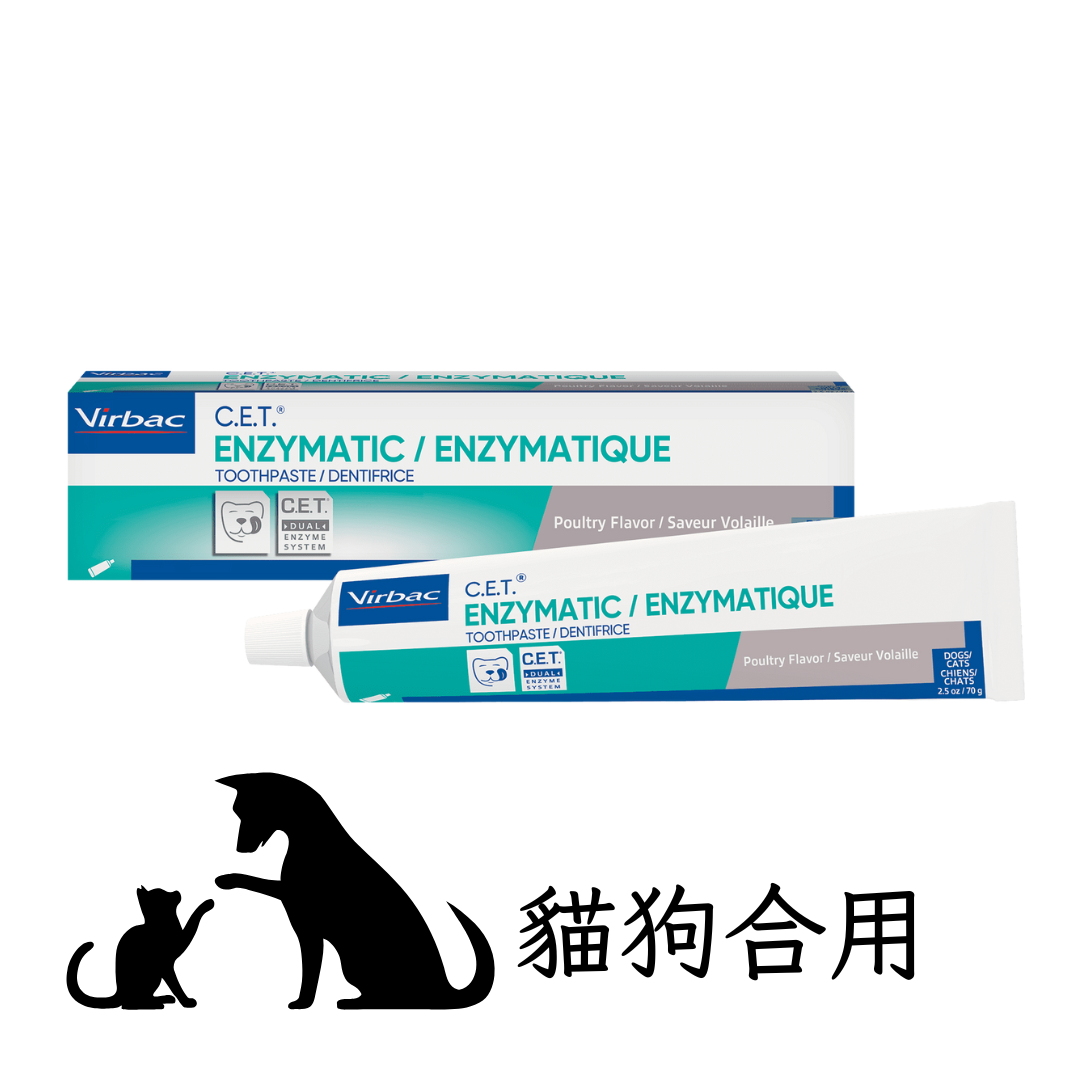
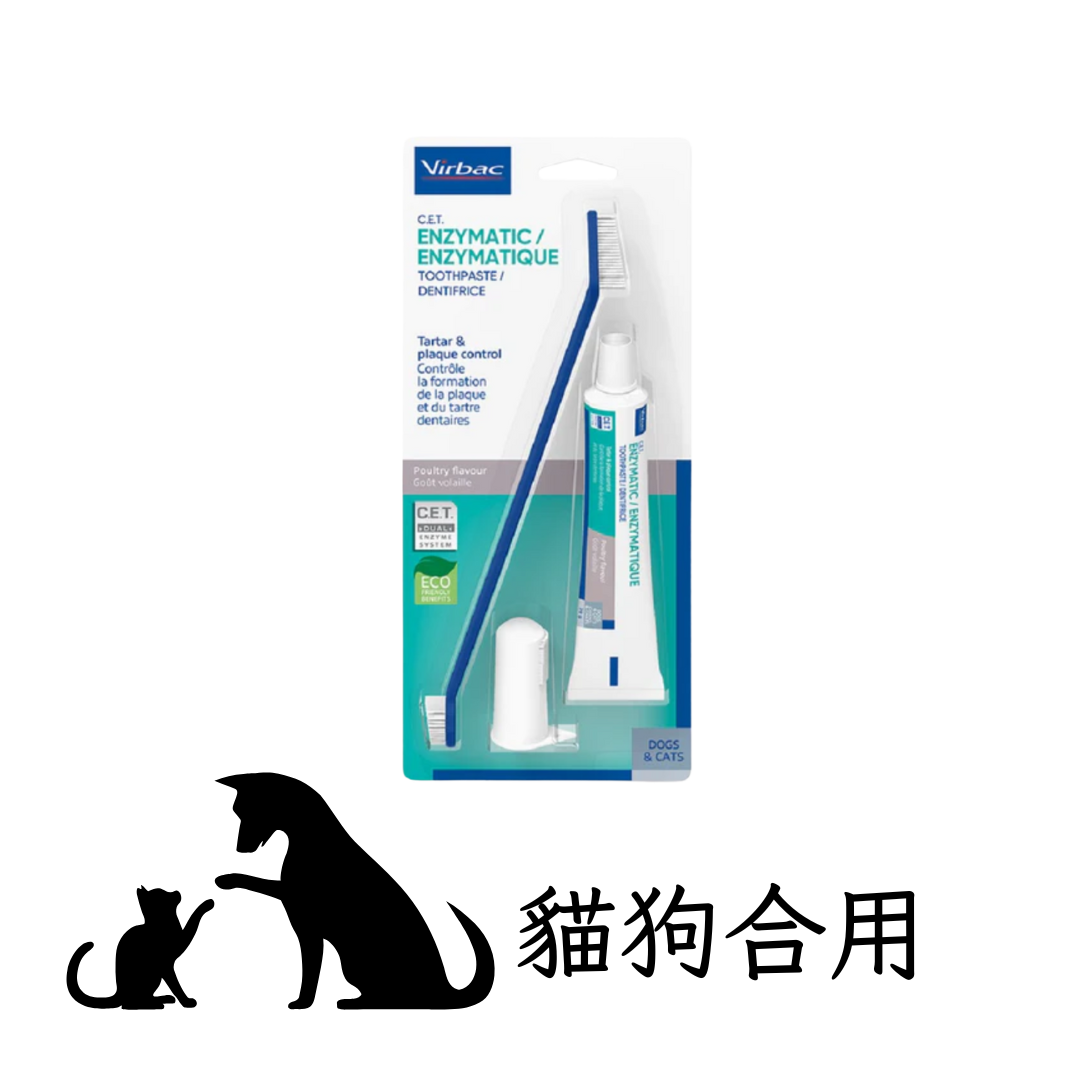
No. Human toothpaste contains fluoride and other ingredients that can be toxic to pets. Use pet-specific toothpaste, which is typically swallow-safe and comes in pet-accepted flavors like chicken or beef.
Are dental treats enough?
Dental treats can serve as辅助 but cannot fully replace brushing. Their mechanical cleaning action is limited, and daily feeding amounts are restricted by calorie intake. The best approach combines daily brushing, regular professional checkups, and appropriate dental products.
Does professional cleaning require anesthesia?
Yes. Complete professional cleaning typically requires general anesthesia to perform ultrasonic scaling, hand scaling, polishing, and periodontal examination. Before anesthesia, your veterinarian will conduct blood tests to assess risk and ensure safety.
When should I seek veterinary care urgently?
If your pet shows severe bad breath, red or bleeding gums, difficulty eating, excessive drooling, refusing food on one side, or obvious pain when touching the mouth, seek veterinary examination promptly to rule out periodontal disease, tooth resorption, or other oral problems.
What's the difference between dental powder and oral spray?
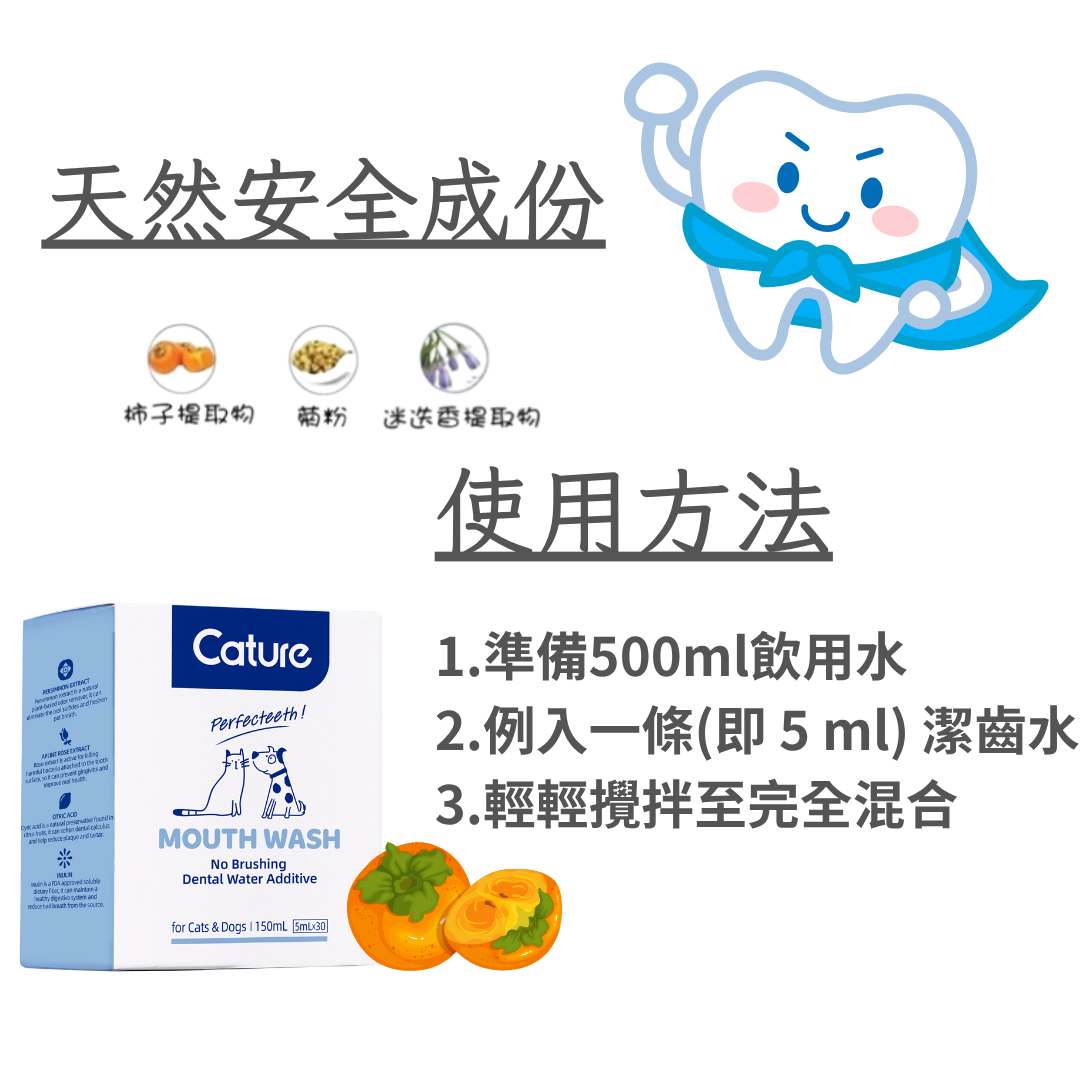
Dental powder is typically added to water or food to help reduce oral bacteria and plaque formation; oral spray is applied directly inside the mouth using antibacterial ingredients to freshen breath. Both can be used together but cannot replace mechanical cleaning (brushing).
How do I choose the right oral care products?
Choose based on your pet's acceptance level, oral condition, and product ingredients. Look for VOHC certification, natural ingredients, and suitability for long-term use. If your pet already has periodontal problems, consult your veterinarian first.