
Filter
3 products
Fleischeslust Dog Food

Vendor:
Fleischeslust
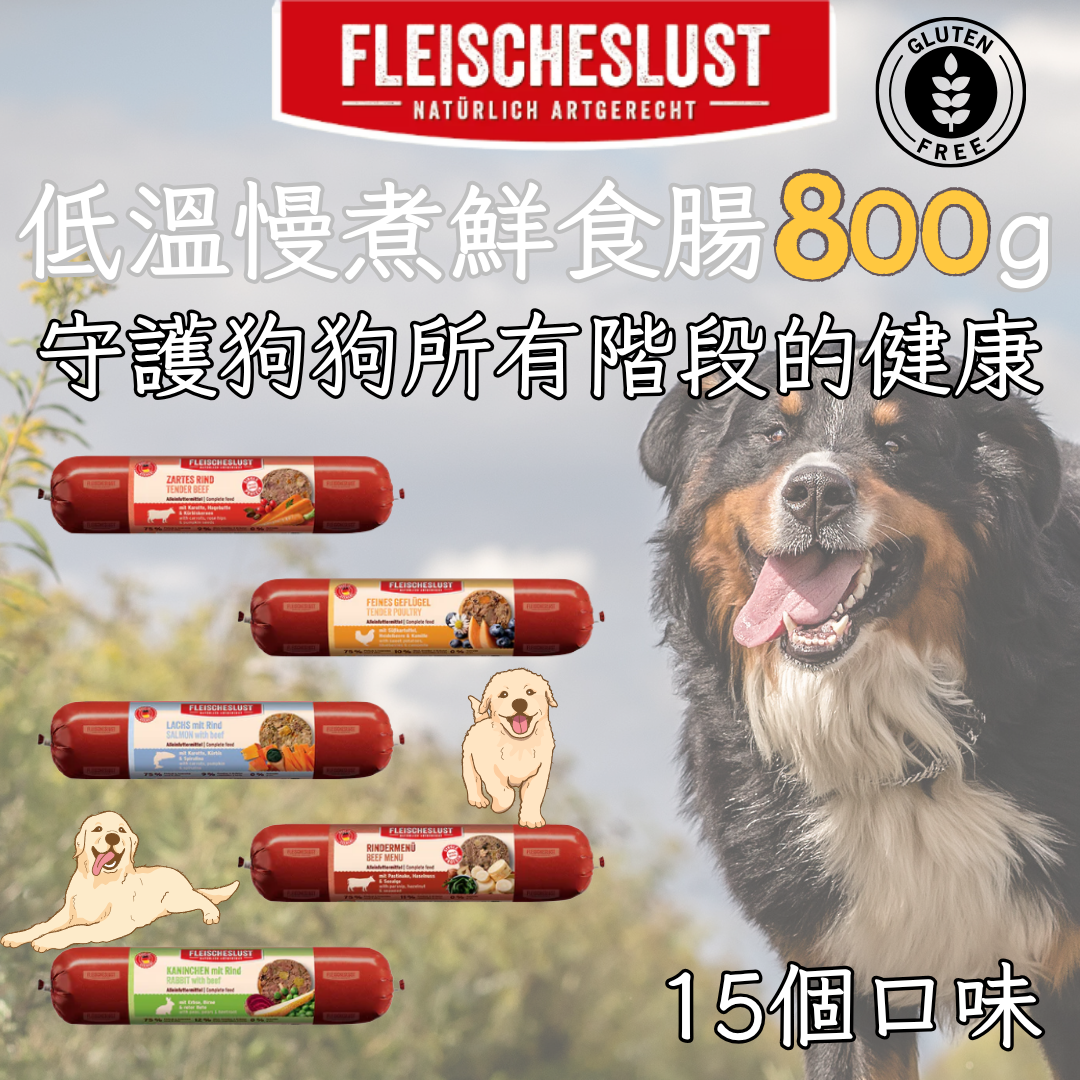
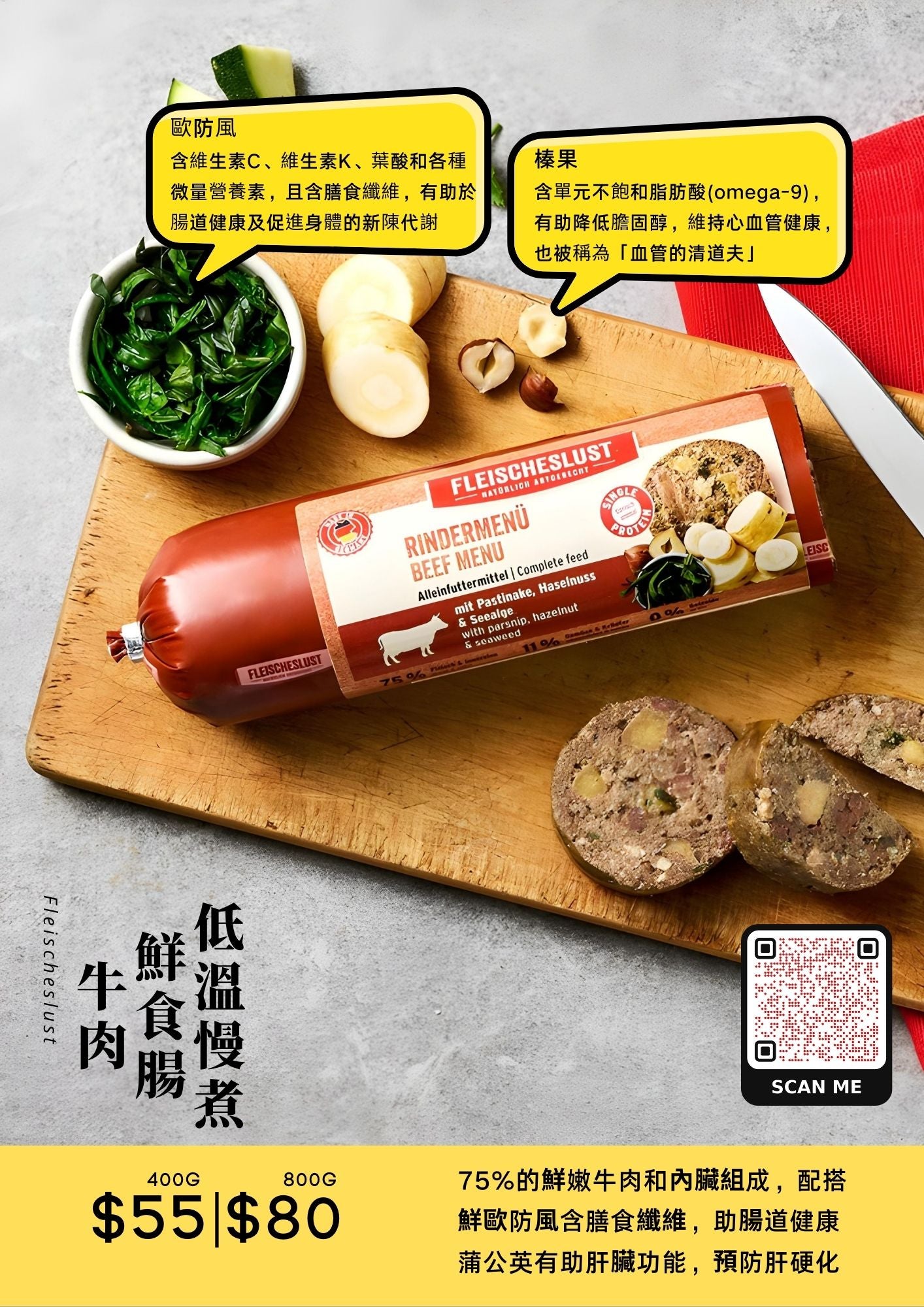
Fleischeslust Slow-cooked Sausage 800g
Regular price From HK$80.00 Sale price From HK$80.00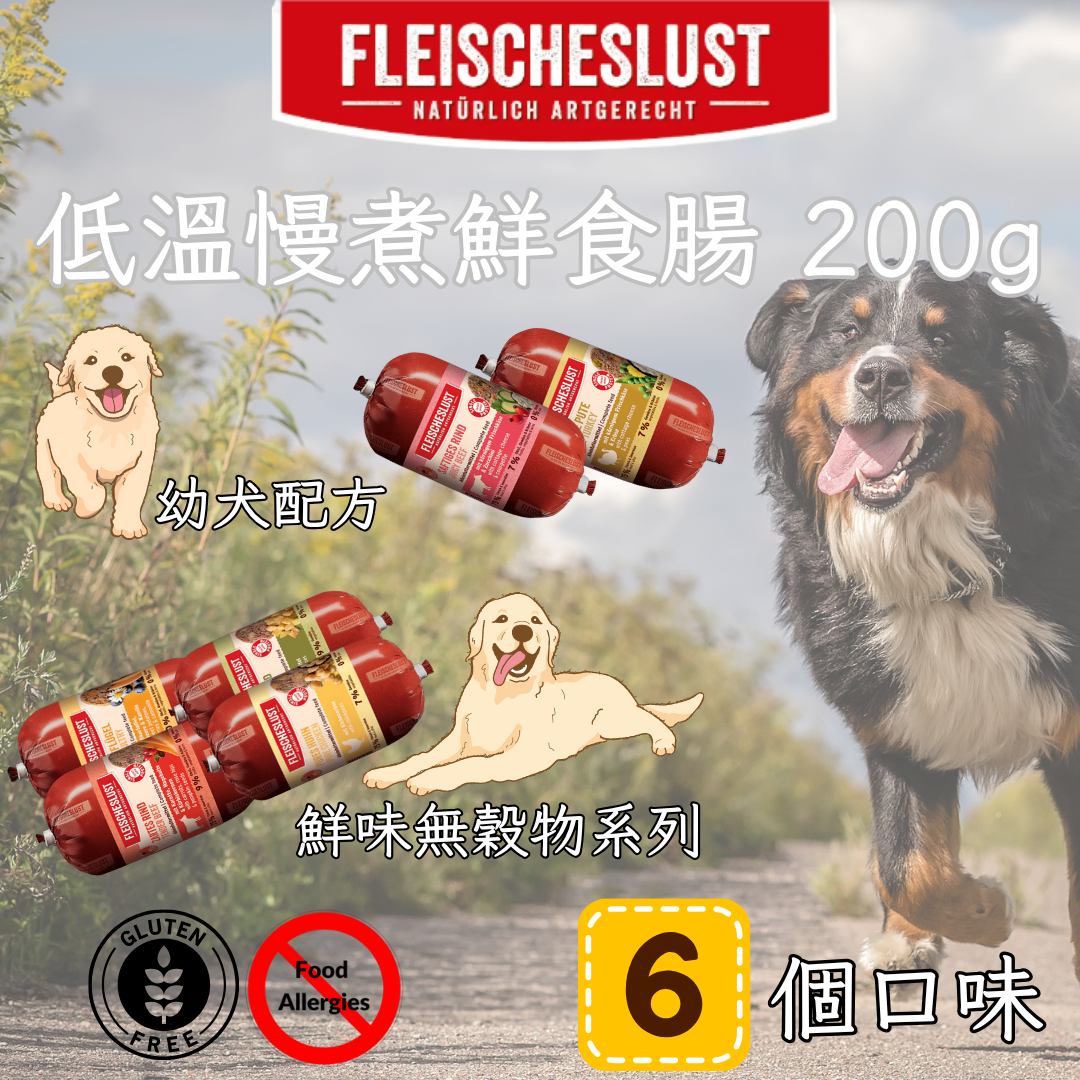
Vendor:
Fleischeslust
Fleischeslust Slow-cooked Sausage 200g
Regular price HK$38.00 Sale price HK$38.00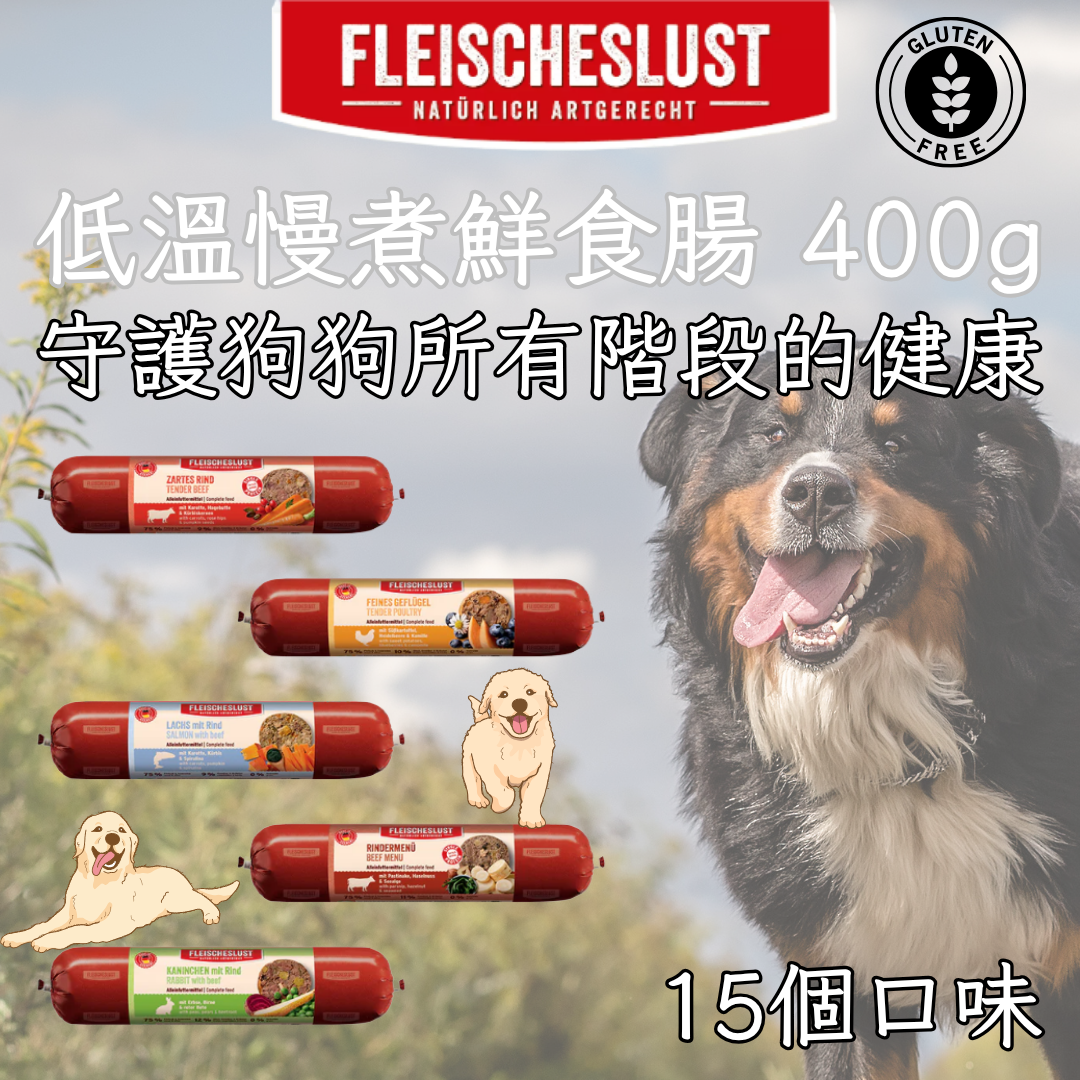
Vendor:
Fleischeslust
Fleischeslust Slow-cooked Sausage 400g
Regular price From HK$55.00 Sale price From HK$55.00Fleischeslust German Fresh Sausage Series
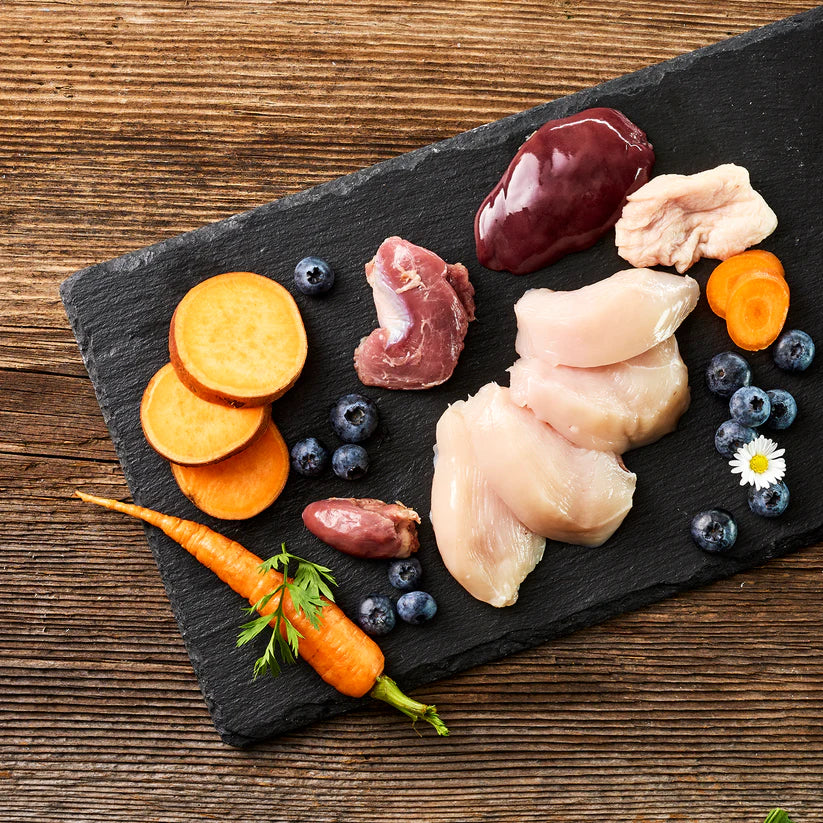
Fleischeslust German Fresh Sausage Series - High Protein, Grain-Free, Specially Formulated for Sensitive Dogs
🐾 Veterinary authority review

Frequently Asked Questions (FAQ)
Fresh sausage and freeze-dried food differ significantly in processing technology, nutritional characteristics, and usage scenarios. The main differences are as follows:
- Processing method and principle: Fresh sausage adopts the "low-temperature slow cooking + vacuum freshness locking" process, which uses gradual heating (ultimately reaching 121.5℃) to sterilize, retaining the original flavor of the ingredients and can be stored at room temperature without relying on drying or freezing. Freeze-dried food is first frozen fresh ingredients, and then the moisture is removed in a vacuum environment (ice sublimation technology). The entire process is low-temperature but it is a dry process and needs to be sealed to prevent moisture.
- Nutrient retention and absorption: The slow cooking technology of fresh food intestines can reduce the loss of heat-sensitive nutrients (such as Omega-3 and vitamin B), and the protein is easier for dogs to digest and absorb after moderate heating; although freeze-dried food can retain most of the protein and minerals, the drying process may cause the loss of some water-soluble vitamins, and because the water content is extremely low (usually ≤5%), dogs need to supplement water when eating, otherwise it may increase the metabolic burden on the kidneys.
- Safety and Applicability: Fresh food is sterilized at high temperature to eliminate parasites and pathogens, and is suitable for all age groups (including puppies, elderly dogs, and dogs with sensitive stomachs). Although freeze-dried food is processed at low temperatures, the dry environment cannot completely kill bacterial spores, and it is also relatively hard. For elderly dogs with fragile teeth or dogs with poor swallowing ability, there may be a risk of choking.
- Convenience and taste: Fresh sausages can be eaten immediately after opening, without any additional processing. The meat is soft, juicy and highly palatable. Freeze-dried food needs to be rehydrated (soaked for several minutes) to restore its taste. It has a hard texture before being rehydrated, and is prone to breeding bacteria if not eaten in time after rehydration. It is less convenient to carry around or feed temporarily.
In general, fresh food sausages have advantages in digestibility, safety, and ready-to-eat convenience, making them suitable for daily feeding in most families. Freeze-dried food, due to its low moisture content, is more suitable for long-term storage or as a reward snack, but attention should be paid to the rehydration and hydration process.
This series of formulas are hypoallergenic and suitable for most dog breeds. They are especially recommended for sensitive dogs and dogs with skin allergies.
Using patented German packaging technology, the unopened package can be stored at room temperature for 12 months. It is recommended to consume within 3 days after opening. After opening, please store in a tightly sealed container in the refrigerator and consume within 3 days. The unopened package can be stored at room temperature without freezing.
The core differences between fresh sausage and dry dog food are reflected in the ingredients, processing methods and digestion and absorption:
- Ingredients and nutrient retention : Fresh sausages contain more than 75% fresh meat and offal (such as chicken, beef, etc.), are gluten-free and grain-free, and provide vitamins and minerals with natural ingredients; dry dog food is mostly grain-based, and high-temperature processing may lead to nutrient loss. Some products contain meat meal or animal by-products.
- Digestive burden : Fresh food intestines are slow-cooked at low temperature to make the meat soft and the protein structure stable, making them suitable for puppies, elderly dogs or dogs with sensitive stomachs; dry dog food requires sufficient water to assist digestion, and the grain ingredients may cause allergies or constipation.
- Dietary nature : Fresh food sausage is in line with the dog's carnivorous nature, and a high proportion of fresh meat is closer to its physiological needs; dry dog food has a higher starch content, which may increase the metabolic burden.
Low-temperature slow cooking is the core technical advantage of this product, and its benefits include:
- Maximize nutrient retention : Through gradual heating (reaching the safety standard of 121.5°C in the last 2 minutes), the loss of heat-sensitive nutrients such as Omega-3 and vitamins is reduced, which is far better than the destructive processing of high-temperature rapid cooking.
- Lock in the freshness and taste : The slow cooking process keeps the meat tender and juicy, and the natural flavor is more intense, which can increase the appetite of picky dogs.
- Reduce digestive burden : Low-temperature processing makes meat fibers easier to break down, which is suitable for dogs with weak gastrointestinal function (such as puppies and dogs recovering from surgery), reducing the risk of soft stools or diarrhea.
The two differ significantly in raw materials, craftsmanship and practicality:
- Raw material quality : Fresh sausages are made of fresh meat and vegetables of human consumption grade, with a meat content of more than 75%, and no synthetic vitamins or preservatives; ordinary canned foods are often based on meat powder or by-products, and may contain artificial colors or flavor enhancers.
- Processing method : Fresh sausages are slow-cooked at low temperature to retain nutritional activity; canned sausages require high temperature and high pressure sterilization, which can easily lead to hardening of the meat and loss of nutrients.
- Preservation and convenience : Fresh sausages are packaged in patented fresh-keeping packaging. They do not need to be refrigerated when unopened and are easy to carry. After opening the can, they need to be refrigerated and consumed as soon as possible. They also contain more soup and have a simpler palatability.
Fresh sausages and frozen raw meat grains differ significantly in processing methods, safety, nutritional characteristics, and usage scenarios. The main differences are as follows:
- Processing and preservation principles: Fresh sausages are cooked food that has been "slow-cooked at low temperature" (the final temperature reaches 121.5°C), sterilized by heat, and then vacuum-packed for freshness. They can be stored at room temperature unopened; quick-frozen raw meat is fresh raw meat (including muscles, offal, etc.) that is processed and then quickly frozen (below -18°C). It relies on low temperatures to inhibit bacteria and needs to be stored in a cold chain throughout the process. After thawing, it remains in a raw state.
- Safety and digestive risks: Fresh food intestines are sterilized at high temperature to eliminate pathogens such as salmonella and parasites, and are suitable for dogs of all ages (including puppies, elderly dogs, and dogs with sensitive stomachs). Although quick-frozen raw meat can reduce some bacteria during freezing, it cannot completely inactivate parasite eggs and may cause gastrointestinal discomfort. In addition, dogs need a strong digestive system to digest raw food, so it is not recommended for weak or immunocompromised dogs.
- Nutrient absorption and activity The slow cooking process of fresh food intestines denatures the protein and makes it easier to digest, while retaining most vitamins and minerals; quick-frozen raw meat food retains the natural enzymes and some heat-sensitive nutrients in raw meat, but dogs' absorption rate of raw protein is usually lower than cooked food, and long-term raw food may lead to problems such as calcium and phosphorus imbalance.
- Fresh sausages are easy to use and can be eaten immediately after opening. They do not need to be thawed or heated, making them suitable for daily feeding and carrying around. Quickly frozen raw meat food needs to be thawed in advance (the thawing time is long and may breed bacteria). Some owners will heat it additionally, but the heating process will destroy the "active nutrients" of the raw food, and tools must be thoroughly cleaned after handling raw meat to prevent cross-contamination.
In general, fresh sausages have advantages in safety, universality and convenience, and are suitable for most families; quick-frozen raw meat food requires owners to have professional knowledge and strict hygiene management, and is more suitable for experienced owners and adult dogs with strong digestive functions.
Fresh sausage and freeze-dried food differ significantly in processing technology, nutritional characteristics, and usage scenarios. The main differences are as follows:
- Processing method and principle: Fresh sausage adopts the "low-temperature slow cooking + vacuum freshness locking" process, which uses gradual heating (ultimately reaching 121.5℃) to sterilize, retaining the original flavor of the ingredients and can be stored at room temperature without relying on drying or freezing. Freeze-dried food is first frozen fresh ingredients, and then the moisture is removed in a vacuum environment (ice sublimation technology). The entire process is low-temperature but it is a dry process and needs to be sealed to prevent moisture.
- Nutrient retention and absorption: The slow cooking technology of fresh food intestines can reduce the loss of heat-sensitive nutrients (such as Omega-3 and vitamin B), and the protein is easier for dogs to digest and absorb after moderate heating; although freeze-dried food can retain most of the protein and minerals, the drying process may cause the loss of some water-soluble vitamins, and because the water content is extremely low (usually ≤5%), dogs need to supplement water when eating, otherwise it may increase the metabolic burden on the kidneys.
- Safety and Applicability: Fresh food is sterilized at high temperature to eliminate parasites and pathogens, and is suitable for all age groups (including puppies, elderly dogs, and dogs with sensitive stomachs). Although freeze-dried food is processed at low temperatures, the dry environment cannot completely kill bacterial spores, and it is also relatively hard. For elderly dogs with fragile teeth or dogs with poor swallowing ability, there may be a risk of choking.
- Convenience and taste: Fresh sausages can be eaten immediately after opening, without any additional processing. The meat is soft, juicy and highly palatable. Freeze-dried food needs to be rehydrated (soaked for several minutes) to restore its taste. It has a hard texture before being rehydrated, and is prone to breeding bacteria if not eaten in time after rehydration. It is less convenient to carry around or feed temporarily.
In general, fresh food sausages have advantages in digestibility, safety, and ready-to-eat convenience, making them suitable for daily feeding in most families. Freeze-dried food, due to its low moisture content, is more suitable for long-term storage or as a reward snack, but attention should be paid to the rehydration and hydration process.
When switching dog food, we recommend gradually mixing the old and new food together and observing your dog's digestion and appetite. Adding probiotics during this time will help your dog adapt more easily. For more information, please contact us on WhatsApp at 54028400.
Forever Pets offers sample packs of selected brands, allowing dog owners to understand their dogs' preferences and adaptability, reducing the risk of purchasing unsuitable products. WhatsApp us for details.
Real user sharing

Mandy

Kate
Ivy

Prudence



![[2026 HK Pet Joint Care Guide] Must-Read for Senior & High-Risk Breeds: Glucosamine vs. Green Lipped Mussel vs. UC-II®](http://foreverpets.hk/cdn/shop/articles/rework_afaf0553-a57c-4f72-8d4a-073e4209ba74.png?v=1788232452&width=1248)