↑ Back to Senior Dog & Cat Products
Frequently Asked Questions | Senior Pet Health
At what age should I consider senior health products for my dog or cat?
There is no single age for every pet. Senior life stage depends on species, breed, body size, health history and daily condition. Rather than choosing products by age alone, observe mobility, appetite, digestion, body weight, drinking, sleep and daily routines. Then choose species-appropriate daily nutritional support according to the product label, intended life stage and feeding guidance.
Do senior pets need several supplements at the same time?
Not necessarily. Start with one or two priority goals, such as joint comfort, digestion, hydration or general daily nutrition. Adding many products at once can duplicate ingredients, add unnecessary calories or minerals, and make it difficult to identify what your pet tolerates well. Read the full label, compare active ingredients and feeding directions, and introduce one new product at a time where practical.
How do I choose between joint, digestive, urinary and general senior-support products?
Start with one clear day-to-day goal. For mobility or activity changes, explore joint and mobility nutritional support. For stable, mild digestive-routine concerns, explore digestive support. For everyday hydration or urinary nutritional management, choose species-appropriate hydration and urinary options. For broader daily care, consider senior formulas or general nutritional support. Check the product page for species suitability, ingredients and amounts, feeding directions, storage, manufacturer information and precautions. Avoid products claiming to diagnose, treat or cure disease.
My senior pet is less active or reluctant to jump or climb stairs. Can I start joint supplements first?
For a generally healthy or medically stable pet with gradual age-related mobility changes, a clearly labelled joint-support product may be a reasonable daily-care option when used as directed. However, sudden limping, obvious pain, dragging a limb, difficulty standing, collapse, inability to bear weight or rapidly reduced activity are not routine aging changes. Clinical assessment should come first in these higher-risk situations; supplements should not delay diagnosis or treatment.
Can a senior pet with reduced appetite, weight loss, vomiting or diarrhea use digestive products?
Digestive products may support normal daily feeding routines in otherwise stable pets when selected appropriately. However, reduced appetite, unexplained weight loss, repeated vomiting, persistent diarrhea, blood in stool, black tarry stool, dehydration or marked lethargy should not be managed as routine aging changes. These are higher-risk signs that need timely veterinary assessment rather than self-care with supplements or repeated diet changes.
Can a senior pet with kidney, urinary, heart, liver or other chronic conditions take supplements?
It depends on the pet's diagnosis, stability, full diet and medications. A product suitable for a healthy senior pet may not suit a pet with restricted minerals, fluid targets, calorie limits, prescription food or medication. For pets with diagnosed chronic disease, active treatment, multiple medications or a prescription diet, keep the treatment plan as the priority and disclose all products being used at follow-up visits. Do not use supplements to replace prescribed treatment or monitoring.
How should I choose between powders, liquids, gels, soft chews and meal toppers for senior pets?
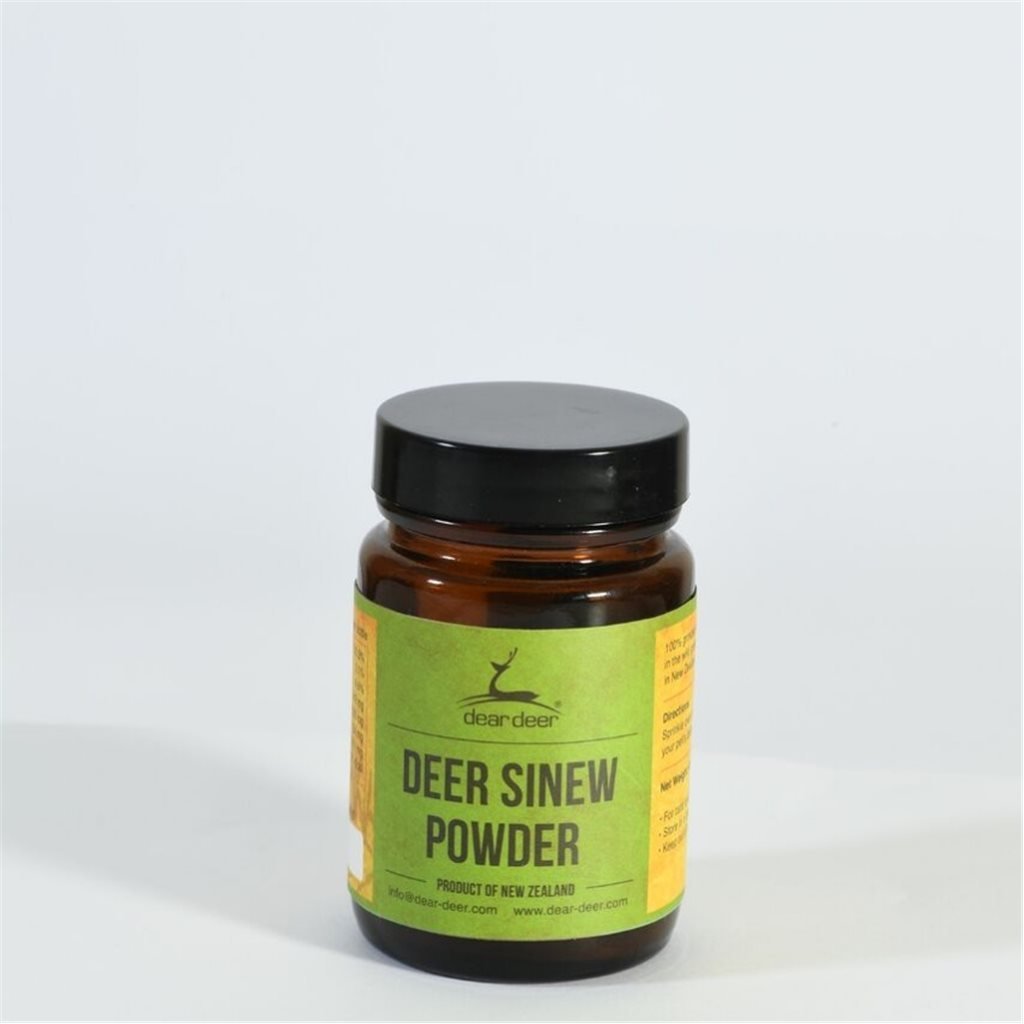
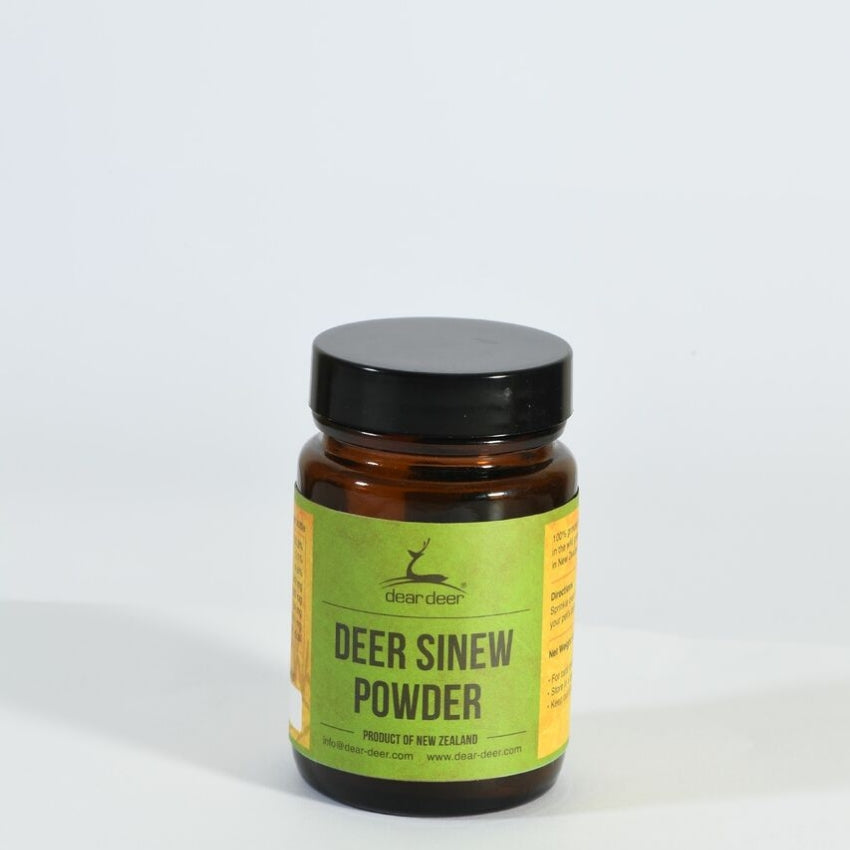
Choose a format your pet can comfortably accept and that suits the intended use. Powders are often mixed with food; liquids may be added to meals or given as directed; gels can suit pets that dislike capsules; and meal toppers or hydration foods may fit everyday feeding routines. Compare the amount per serving, calorie contribution, species suitability, feeding method, storage instructions, expiry date and manufacturer contact details. Choose transparent labels rather than relying on vague 'all-in-one' or disease-treatment claims.
Which changes in a senior pet need veterinary attention instead of self-care with supplements?
Seek prompt veterinary help for sudden or marked changes in appetite, body weight, drinking, urination, mobility, breathing, energy, behavior, sleep, vomiting, diarrhea or pain. Confusion, collapse, seizures, repeated unsuccessful attempts to urinate, blood in urine, breathing difficulty, inability to stand, severe pain or suspected toxin ingestion require urgent attention. Supplements support everyday nutrition; they should not delay diagnosis or treatment when concerning signs appear.
How long should I use a senior pet supplement before deciding whether it suits my pet?
Timing depends on the product, goal, diet and individual pet. Follow the brand's feeding directions and, where practical, introduce only one new product at a time. Monitor appetite, stool, water intake, skin, mobility, energy and general comfort. Keep the product label and note the start date and amount used. Stop the product if your pet appears unwell or develops an unexpected reaction, and seek appropriate professional advice if signs are persistent, severe or concerning.